The first time I took my kids to the Cotswolds, a red kite traced lazy circles above us while a herd of Gloucester cattle shuffled across a lane that looked borrowed from a storybook. Ten minutes later, we were feeding goats with biscuit-crumb moustaches at a farm park, and by lunch a pair of swans had adopted us along the Windrush in Bourton-on-the-Water. That is the rhythm of a good Cotswolds day: gentle scenery, a steady parade of animals, and the sort of low-stress logistics that make family travel feel possible, even joyful.
If your family loves animals but you do not want a full-on safari park or a long holiday, a Cotswolds day trip from London strikes the right balance. The region is close enough for a single day, yet it never feels rushed when you plan with care. Below, I share how to structure a family-friendly route, where the best animal encounters hide in plain sight, and which London to Cotswolds tour packages match different travel styles and budgets.
How to visit the Cotswolds from London without losing your cool
Families tend to have two opposing needs: predictable timing and flexibility on the ground. The Cotswolds rewards both when you pick your approach early. You can go entirely DIY or choose from a spread of London Cotswolds tours that look similar on paper but feel very different on the day.
Trains run from London Paddington to Moreton-in-Marsh in roughly 1 hour 30 minutes on direct services. This station sits in the northern Cotswolds, within a short taxi or bus hop of Stow-on-the-Wold, Bourton-on-the-Water, and several farm attractions. If you prefer not to drive, this works well, especially with buggies and grandparents in tow. The trade-off is that rural buses are infrequent outside peak times, and animals do not keep timetables. If you want to catch a particular feeding session or lamb bottle time, allow buffer.
Driving unlocks the countryside. With lighter traffic, you can make London to Cotswolds travel options work in under two hours from west London to the Northleach or Burford area using the A40. It is realistic for a day trip, though I advise leaving by 7:30 am to outpace bottlenecks near Oxford. Parking in villages like Bourton or Bibury fills late morning on weekends and during school holidays, so either arrive early or aim for a lunchtime slot when some spaces turn over.
If you want the benefits of both, guided tours from London to the Cotswolds take away the highway stress and often include a mix of villages and countryside stops. A good operator builds in family time rather than forcing a quick march between souvenir shops. Small group Cotswolds tours from London tend to allow that flexibility. Families with young children often prefer a Cotswolds private tour from London so nap schedules and snack stops do not throw off a group. Plenty of families also pick Affordable Cotswolds tours from London, which are usually coach-based and longer on the road, shorter on the ground. On the luxury end, you get a driver-guide, door-to-door pickup, and the freedom to stay longer where the animals are actually awake. All told, London Cotswolds countryside tours split into three experiences: coach sightseeing, small minibus days, and bespoke private days. Pick based on your patience for bus windows versus fields under your feet.
Building a day around animal encounters
Animal days rise or fall on timing. Mornings are your friend. Many farm parks open around 10 am and run scheduled encounters throughout the day. Animals are friskier before lunch, and families move faster when no one is hangry. If your plan includes Bourton-on-the-Water, combine it with a morning at Cotswold Farm Park or Crocodiles of the World, then a riverside picnic and ice cream while ducks and swans play chaperone. If you are going near Burford, the Cotswold Wildlife Park pairs neatly with a gentle loop through Bibury.
I like to think in three blocks: a farm or wildlife park in the morning, a village-and-river stroll at midday, and an unscheduled stop for a chance encounter in the afternoon. The Cotswolds rewards pauses. You might find a kestrel hovering over a field outside Stow or a friendly horse leaning over a gate near Upper Slaughter. Those quiet, unscripted moments stick with children longer than a checklist of attractions.
Where to meet animals, up close and safely
Cotswold Farm Park sits near Guiting Power, founded by the UK rare breeds champion Adam Henson. It is the gold standard for hands-on farm life. In spring you can bottle-feed lambs, which is catnip for city kids and also a candid lesson in how careful animal husbandry looks in real life. Throughout the year you can meet Gloucester Old Spot pigs and Longhorn cattle, collect eggs, and scramble along indoor and outdoor play areas. It is clean, well signed, and used to families who need ten snack breaks. Expect two to three hours including playtime.
Cotswold Wildlife Park and Gardens, just south of Burford, shapes a different day. You walk among wallabies in a free-roaming paddock. You are very close to giraffes at the feeding platform, eye-level for photos that do not need zoom. There is a narrow-gauge train that shuttles around the grounds in busier months, which saves little legs and buys parents fifteen calm minutes. The landscaped gardens are not just pretty; they create natural shade and quieter spaces, handy if a younger child melts down after the meerkats. You can spend half a day here without boredom.
Crocodiles of the World, near Brize Norton, is exactly what it sounds like: crocodiles, alligators, caimans, plus a colony of Humboldt penguins who seem to know when phones point at them. The talks help kids tell species apart, and the feeding sessions leave an impression. It suits families who want a shorter, focused visit, say 90 minutes, before lunch in Burford or Witney. It is also struck by the British weather less than open farms, which matters on wet days.
Birdland Park and Gardens in Bourton-on-the-Water focuses on owls, flamingos, parrots, and a walk-through area where finches and quail zip past your ankles. The penguin feeding draws crowds, so arrive early or late to avoid the crush. On paper it looks small, but add the adjacent Dragonfly Maze and the riverside, and you suddenly have a layered afternoon without moving the car.
Slimbridge Wetland Centre, a longer hop on the Severn estuary edge, sits outside the heart of the Cotswolds but pairs with the southern edge villages. For families who bird, it is unmissable. Kids can hide in viewing towers, borrow binoculars, and learn the difference between a shoveler and a mallard by actually looking. Even children who do not care about IDs love the amphibian and otter areas. If your London to Cotswolds scenic trip leans south, this is a richer wildlife stop than a village browse.
Along the Windrush, Eye, and Coln rivers, village life blends with wildlife. Bourton-on-the-Water has tame traffic and easy sightlines, so ducks and swans are safe to watch without sprinting to save a toddler. The Slaughters, Upper and Lower, offer shallow fords where horses often pass and songbirds chatter in the hedgerows. Bibury’s trout farm lets you feed rainbow trout, which flip the water into confetti. Ten minutes there, then a walk past Arlington Row, is plenty for younger kids. If you carry a small pocket guide, challenge older children to spot wagtails on stones in the current.

A realistic day trip itinerary from London with animals at the center
If you want a straightforward shape for the day, here is one that has worked for my family and several clients. It requires an early start but avoids the exhausting pinball across the region. Use it as a scaffold rather than a script.
- Early train from London Paddington to Moreton-in-Marsh, arriving before 10 am. Taxi to Cotswold Farm Park. Prebook tickets. Feed lambs in season, meet rare breeds, and let the kids burn energy on the play structures. Late morning transfer to Bourton-on-the-Water. Picnic by the river, ice cream for morale, and a slow walk to Birdland for penguins and parrots. If queues look long, skip Birdland, do the Dragonfly Maze, and focus on riverbank nature. Mid-afternoon taxi back to Moreton-in-Marsh via Stow-on-the-Wold for a short stretch and a bakery stop. Train to London before rush hour.
If you are driving, swap the train for a 7:30 am departure from west London, reach Cotswold Farm Park around opening time, and you can add a late-afternoon stop at the Slaughters. If you want a bigger wildlife hit, replace Birdland with the Cotswold Wildlife Park south of Burford. That variant suits a Cotswolds full‑day guided tour from London that covers both a farm and a wildlife park, which is essentially animal heaven for children under ten.
Families who prefer structured transport can book a Cotswolds coach tour from London that includes Bourton-on-the-Water and Bibury, then add Birdland or the trout farm as free time. Coach itineraries rarely include Cotswold Farm Park or the wildlife park because of timing. If animals are your priority, a Cotswolds private tour from London or a small group arrangement is worth the premium.
Choosing the right tour for the family you actually have
The best Cotswolds tours from London are not the fanciest or the cheapest. They are the ones that match your family’s rhythm. A toddler who needs naps at 1 pm every day will not blend well with a rigid coach schedule. A teenager who loves photography will benefit from extra time at golden hour, which a private guide can build in on summer evenings.
London Cotswolds tours that advertise family-friendly pacing often mean shorter village walks, time for play areas, and patient guides who do not wilt when a child asks a sandpiper’s life history. If you are set on animal encounters, ask pointed questions before you book: do you stop at Cotswold Farm Park, Birdland, or the Cotswold Wildlife Park, and for how long? Is there a plan B if the weather turns? If you see a Cotswolds and Oxford combined tour from London, that can be a good compromise for mixed-interest groups, since older children enjoy the colleges and younger ones can race through University Parks spotting squirrels. The caution is time dilution; animal exposure drops when you slice the day in two.
For those who value space and custom stops, Luxury Cotswolds tours from London tend to use roomy vehicles with child seats on request and know the back lanes to avoid congestion. They can also source farm experiences not on public schedules, such as a meet-the-farmer chat or a cream tea at a working smallholding. Small group Cotswolds tours from London, usually capped around eight to sixteen passengers, work well if you enjoy light company but want flexibility. Always check if car seats are included or can be fitted, and whether the guide is happy to adjust dwell time at animal sites if the group agrees.
The animal encounters you can count on, and the ones you cannot
Some things are reliable, even on busy weekends. At Cotswold Farm Park you can almost always meet goats, pigs, and rabbits up close. At the Cotswold Wildlife Park the giraffe platform sits at a predictable spot, and the penguins at Birdland perform daily. In contrast, wild sightings shift with weather and season. Red kites are common across the region, especially along the escarpment, but their loops do not run on the hour. Kingfishers can flash past the Windrush, yet you could wait an hour and see none. The trick is to seed the day with certainties, then leave gaps to enjoy serendipity. Pack a tiny pair of binoculars, even cheap ones, and let the children keep them around their necks. They will see insects and pond life with fresh attention, which costs nothing, adds learning, and takes the pressure off big-ticket sightings.
Spring, from March to May, blooms with lambs and calves. Weekdays in late April balance long days with manageable crowds. Summer stretches daylight so you can combine one major animal stop with two or three low-key nature moments. Autumn brings rutting deer in some parklands and clear water for trout spotting. Winter can be magical if you embrace coats and cocoa, and the penguins do not mind. Bird hides feel special in crisp weather, and villages glitter with fewer tourists.
Villages that make animal days easier
The best villages to see in the Cotswolds on a London tour will be those that support your animal agenda rather than distract from it. Bourton-on-the-Water is straightforward: Birdland next door, gentle waterside space, and family-oriented cafes. It can feel crowded at midday in July, which you can blunt by arriving early, or by strolling ten minutes off the main drag, where the ducks do not know there is a high street. Burford sits on a hill above the Windrush and puts you close to the wildlife park and Crocodiles of the World. Parking is easier here than in Bibury, and you have the bakeries and the churchyard for a quiet sit when kids hit a wall.
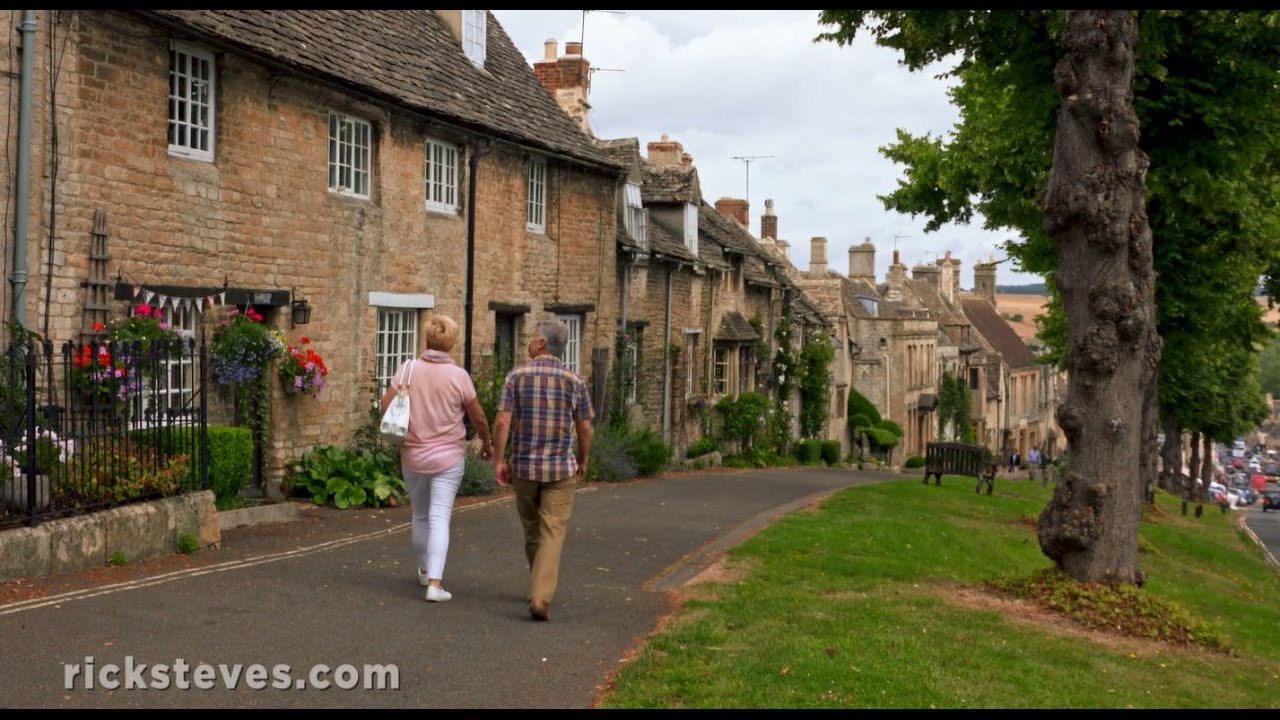
Stow-on-the-Wold is a market town that works as a staging point. Sheep artwork in the shops nods to its wool past, and although you will not find a headline animal attraction in town, you will find open squares where you can regroup. Upper and Lower Slaughter serve as nature’s intermission. The walk between them is flat, about a mile, with hedges busy with birds. In Bibury, the Coln River and the trout farm combine well but keep a tight hold on little ones near the water and be ready for coach arrivals mid-morning. If your day depends on slow streets, time Bibury early or late.
Food, naps, and the art of keeping everyone happy
Good animal days rest on good snacks. In the Cotswolds, many sites are set up for picnics, which beats queuing with an antsy preschooler. Cotswold Farm Park has indoor and outdoor tables and microwaves for baby food. The Cotswold Wildlife Park offers several picnic lawns, and the small train doubles as a moving nap site. Birdland has sit-down areas but Bourton’s riverside grass does the same job if weather allows. In towns, independent cafes are friendly but small; families do better aiming for early or late lunch to avoid the crunch.
Toilets can be surprisingly sparse between attractions. Use facilities before you drive or taxi. Keep a boot bag with a towel, wipes, and a change of socks. Children will find wet grass or a shallow ford like it is destiny. If you are carrying a buggy, note that farm parks are fine with them but wildlife parks sometimes funnel through gates or over uneven ground that favors slings for short stints.
What different families choose and why
I have seen four broad patterns. Families with toddlers often book Family‑friendly Cotswolds tours from London that allow prams and frequent stops. A small group minibus or private car fits them best. They schedule one major animal encounter and then choose mellow villages or a riverbank nap opportunity. Families with primary school kids swing for the bigger experiences, such as the Cotswold Wildlife Park plus the Slaughters walk. They still nap in the car and tolerate longer transfers if the payoff is giraffes and a wallaby selfie.
Families with teens balance animals with culture. A Cotswolds and Oxford combined tour from London works here, but the trick is to be realistic about how much time each half gets. Teens enjoy photography, so they thrive in early evenings when light turns warm, a point in favor of longer summer days and private tours. Multi-generational groups value comfort. They will often pick Luxury Cotswolds tours from London for the creature comforts and to avoid wrestling with child seats in taxis. They may choose fewer stops with longer dwell times, which is wise. Animals reward unhurried attention.
Budget-conscious travelers do fine with coach tours that include free time in Bourton or Burford. If animal encounters are non-negotiable, they add Birdland tickets on the day, or the trout farm in Bibury, and make peace with shorter durations. Affordable does not need to mean thin experiences. It means being deliberate. You will skip the farm park this time and watch swans and trout you did not pay for. Children often do not notice the difference.
Weaving in the countryside between the headline stops
Not every animal encounter comes with a ticket booth. Hedgehogs shuffle at dusk along back lanes. Skylarks rise from chalky fields. Sheep move like clouds over ridges near Naunton. If you are on foot, keep dogs on lead near livestock and stick to marked paths. If you hire a private guide, ask for a detour along the lanes north of Bourton toward Cold Aston, or a short stop just beyond Stow where the fields open and kites often patrol. Five minutes of watching a bird hover is the sort of memory that costs nothing and anchors the day.
On warm afternoons, a shallow paddle in the Windrush near Bourton or in the Eye near Lower Slaughter becomes an instant highlight. Pack water shoes, not for the walk, but for one ten-minute splash that has saved many a day from a late slump. If you carry a small net and a clear container, children can catch and release tiny invertebrates with care. That is natural history class disguised as play.
Choosing between tours and DIY: honest trade-offs
It surprises some parents to hear that DIY days can be more tiring than guided ones. You carry all the decisions every ten minutes, from parking to toilets to whether to turn left or right to find the penguins. If that excites you, drive or take the train to Moreton-in-Marsh and build your own Cotswolds sightseeing tour from London. If you want to be present with your children, not staring at Google Maps, externalize the navigation to a guide. London to Cotswolds tour packages exist for a reason: the region is a maze of pretty lanes that can turn frustrating when you are clock-watching.
On busy summer weekends, guided drivers who know the back roads can salvage a day that would stall for a DIY newcomer. On a drizzly Tuesday in March, you will have the place to yourselves either way. The cost equation moves accordingly. Coach tours are cheapest per person; small group tours sit in the middle; private guides top out the budget but deliver the most animal time per hour because they finesse queues and parking.
Practical tips to smooth the edges
- Prebook animal attractions for timed entry on weekends and school holidays. Aim to arrive at your first stop by 10 am. If you start later, reverse the day and make the wildlife park your afternoon anchor. Bring a small backpack with water, snacks, a mini first-aid kit, wipes, and a microfibre towel. Add lightweight binoculars and a compact rain jacket. Keep your route compact. Pick one cluster: Burford and the wildlife park, or Bourton and Birdland, or Moreton and the farm park. Less driving equals more animals. Set expectations with kids. Promise two guaranteed animal encounters and one mystery wild sighting, then make a game of spotting it.
What to expect across the seasons
Winter shortens daylight but concentrates wildlife near food. Farm parks run indoor areas and animal barns, and the wildlife park is quieter with animals that do not mind the cold. Wrap up, take a thermos, and you will have space to breathe. Spring explodes with lambs and ducklings. Calving and lambing dates shift by weeks depending on weather and farm schedules, so watch each site’s social media feeds for updates.
Summer spreads crowds across longer hours. Book early, arrive early, and consider dinner in the Cotswolds before the drive back, especially on a Cotswolds full‑day guided tour from London. Autumn rolls through harvest. Hedgerows carry berries that bring birds in close, and light softens by late afternoon, lovely for photography at the giraffe platform or along the rivers.
When a combined day makes sense
Some families consider a stop in Oxford on the same day, especially if they are curious about colleges or have an aspiring biologist in the family. It can work if you are realistic about time. Walk through the Natural History Museum and the Pitt Rivers for a compact, fascinating hour that ties into animal themes. Then head out to the Cotswolds for your farm or wildlife park. This type of day aligns well with a Cotswolds and Oxford combined tour from London laid out by an operator who watches traffic patterns and staggers the day to miss peak congestion on the A40.
The quiet rewards of animal days
Beyond the Instagram moments, animal experiences recalibrate how children see the countryside. They learn why gates get shut and dogs get leashed. They feel wool and hear a sheep’s cough and notice the small systems under the big picture. Parents learn to slow down too. A riverbank picnic, a rabbit’s sudden sprint, a heron lifting from a field - these form the memory. The Cotswolds supports that pace better than most regions within striking distance of London.
Whether https://soulfultravelguy.com/article/london-tours-to-cotswolds-guide you self-drive, take the train, or choose guided help, the path is the same: commit to fewer places, more time, and animals as your thread. If that sounds like your family’s speed, look at London to Cotswolds travel options that keep the day compact. Consider a Cotswolds villages tour from London that includes Bourton or Burford as staging grounds rather than endpoints. If you want to splurge, a Luxury Cotswolds tour from London buys attention and calm. If you want to economize, a coach tour plus a single add-on like Birdland still captures the heart of the day.

You will return to London pleasantly tired, smelling faintly of hay, with at least one person in the group insisting that a goat winked at them. That is how you know the day worked.